
Services
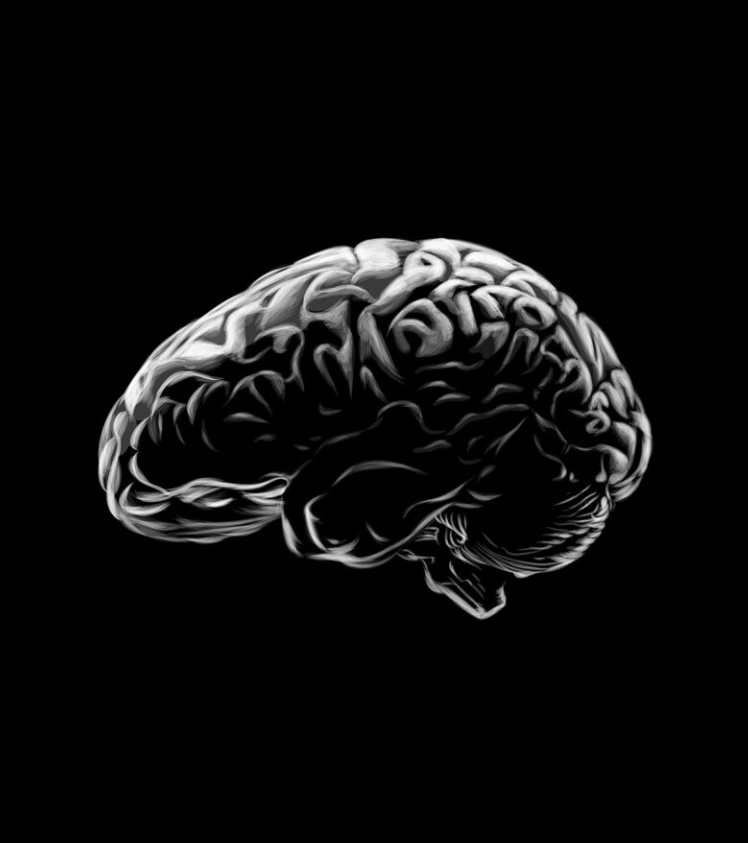
“Between stimulus and response there is a space. In that space is our power to choose our response. In our response lies our growth and our freedom”. - Viktor Emil Frank

Human-computer interaction and AI
We work with organisations to understand how people perform in real-world conditions and design systems, processes, and strategies that improve outcomes. This includes:
Analysing workload, fatigue, and cognitive demands to reduce error and improve performance
Designing or reviewing systems, tools, and workflows to better fit human capabilities
Supporting safe and effective AI integration, including trust calibration and decision support
Improving decision-making under pressure, uncertainty, and competing demands
Developing leadership capability for complex, technology-enabled environments
Designing evidence-based training and development programmes
Supporting organisational change, including behaviour change and adoption of new systems
Reviewing performance management systems to ensure they drive the right behaviours
Assessing and improving wellbeing in high-demand or high-risk roles
Identifying human and organisational risks in safety-critical environments
Supporting diversity, equity, and inclusion through system-level approaches
Conducting applied research and evaluations to inform strategy and investment decisions

Systems failure in emergency response
We work with emergency and response organisations to understand where systems break down under pressure and design practical improvements that hold in real conditions. This includes:
Analysing incidents and near misses to identify human, system, and organisational failure points
Mapping workload, fatigue, and cognitive overload during high-pressure events
Reviewing communication systems and information flow to reduce breakdowns and delays
Assessing decision-making under uncertainty, time pressure, and incomplete information
Evaluating coordination across teams, agencies, and command structures
Identifying risks linked to automation, AI tools, and decision-support systems
Improving alerting systems to ensure signals are noticed, understood, and acted on appropriately
Designing training that reflects real-world complexity, not ideal scenarios
Strengthening procedures for handovers, escalation, and critical transitions
Supporting after-action reviews with structured, evidence-based analysis
Identifying system-level contributors to error rather than focusing on individual blame
Developing strategies to improve resilience, adaptability, and recovery after disruption
Work is grounded in Human Factors principles, with a focus on making systems more robust, usable, and reliable when it matters most.

Naturalistic decision making and noise
We work with organisations to understand how decisions are made in real-world conditions and improve judgement where time, uncertainty, and pressure are constant. This includes:
Analysing how decisions are actually made in context, not how procedures say they should be made
Identifying where judgement breaks down under time pressure, ambiguity, and competing demands
Mapping cues, patterns, and experience that underpin expert decision making
Assessing risk perception and how it shifts with workload, stress, and prior outcomes
Evaluating biases, noise, and inconsistency in organisational decision processes
Designing training to build expertise, pattern recognition, and adaptive judgement
Supporting calibration of trust in tools and AI-supported decisions
Strengthening team decision-making, including shared situational awareness and coordination
Reviewing decision protocols to ensure they support, rather than constrain, good judgement
Using simulation and scenario-based approaches to test and improve decision performance
Embedding feedback loops so decision quality improves over time
Work is grounded in naturalistic decision-making theory, with a focus on how people use experience and context to make effective decisions when conditions are far from ideal.

Risk perception and psychosocial risk
We work with organisations to understand how people perceive, respond to, and manage risk in real-world conditions, and to address the psychosocial factors that shape performance and wellbeing. This includes:
Assessing how risk is perceived across roles, teams, and organisational levels
Identifying gaps between actual risk and perceived risk, including under- and over-estimation
Analysing how workload, fatigue, and stress influence risk judgement and behaviour
Mapping psychosocial hazards such as high demands, low control, poor support, and role ambiguity
Evaluating how organisational systems and culture contribute to psychosocial risk
Reviewing communication of risk, including how messages are interpreted and acted on
Improving risk awareness and decision-making in dynamic and uncertain environments
Supporting the design of safer systems that account for human limits and variability
Developing interventions to reduce burnout, cognitive overload, and chronic stress
Embedding psychosocial risk into health, safety, and performance frameworks
Supporting leaders to recognise and manage psychosocial risks within their teams
Using data and evidence to monitor risk over time and evaluate the impact of interventions
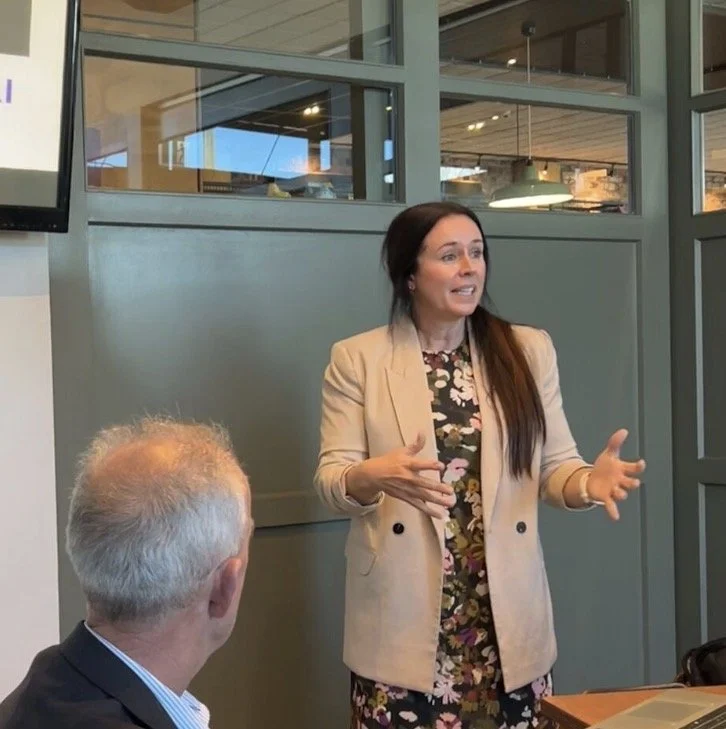
Workshops and keynote speaker
Negotiation and communication at work
AI and human-computer interaction
Performance and being anti-fragile
Why alert systems fail - cognitive response deficits
Psychosocial risk measurement - what works and what doesn’t
Blind to bias: when you don’t know you’re biased